 Devlife
1. What is a Silo Structure?
Contents
A silo structure is an effective method of organizing website content into specific categories or themes. These categories, often referred to as “content silos,” are interconnected with internal links, making it easier for both users and search engines to navigate and understand the website. The purpose of the silo structure is to create a clear and logical flow of content that groups related articles together. This not only improves SEO but also enhances the user experience.
In essence, a silo acts as a content container for specific topics. For example, if your website is about fitness, your silos might include major categories like “Nutrition,” “Workouts,” and “Wellness.” Within each of these silos, you will have articles that are specifically related to that topic. Each silo page will then link to other related pages, ensuring that users can easily find other relevant content.
The silo structure helps make your website content more accessible, reducing the chances of content overlap and ensuring that each piece of content serves a clear, specific purpose.
2. Why is a Silo Structure Important?
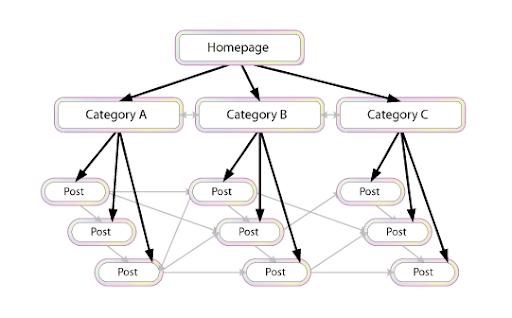
Implementing a silo structure is crucial for several reasons, especially when it comes to improving both SEO and user experience. Here are 4 key benefits of using a silo structure for your website:
1. Improved SEO:
Search engines like Google use crawlers to index and rank websites. A silo structure allows these crawlers to understand the hierarchy and relevance of your content. By grouping related content together, you make it easier for search engines to determine the importance of certain pages, improving your chances of ranking higher for related keywords. Additionally, internal links within silos pass link equity, boosting SEO performance.
2. Better User Experience:
A silo structure creates an organized way for users to find related information on your site without having to navigate through unrelated topics. It enhances the overall user experience, making your website more intuitive and easy to explore. Users can quickly dive deeper into their areas of interest, reducing bounce rates and increasing engagement.
3. Increased Website Authority:
By structuring content around specific themes, you show both search engines and your audience that your website is an authority on those topics. As your silos grow and you add more valuable content, your website becomes a go-to resource in your niche.
4. Better Content Organization:
A silo structure helps keep content organized and prevents it from becoming scattered. This way, your website maintains clarity and consistency, both of which are crucial for maintaining a professional appearance and building trust with your audience.
3. The 5 Steps to Building a Silo Structure
Building an effective silo structure for your website can take some time, but following these 5 clear steps will ensure success:
Step 1: Identify Your Main Categories
To begin, you need to define the main categories (or silos) that represent the broad topics your website will cover. Choose 3-5 primary themes or topics that align with your business or website niche. These themes will serve as the foundation for your silos.
For example, if you run a travel blog, your silos might be:
- Destinations
- Travel Tips
- Packing Guides
Each of these silos will contain several posts or pages related to the broader theme, such as a specific article on “Top 10 Beaches in Asia” within the Destinations silo.
Step 2: Group Related Content
Once you’ve defined your silos, begin organizing your existing content into these categories. Identify the content that fits best into each silo and place it accordingly. For any content that overlaps with multiple silos, you may need to merge or rewrite them to make sure they serve one clear purpose.
This step ensures that every page on your site belongs to a specific silo, which helps maintain logical flow and prevents unnecessary content duplication.
Step 3: Create Landing Pages for Each Silo
Next, create a dedicated landing page for each silo. These pages serve as the central hub for all related content within the silo. The landing page should link to all the posts and pages in that silo and provide a brief overview of what the user can expect to find within the category.
For example, a Destinations landing page could feature links to articles such as “Best Beaches in the Caribbean” or “Top Hiking Trails in Europe.”
Step 4: Link Strategically Within Each Silo
Internal linking is one of the most important aspects of a silo structure. It helps create a web of content that is easy for both search engines and users to follow. Within each silo, make sure to link to other relevant content in that silo. Avoid linking to unrelated content in other silos unless necessary.
For example, in your Destinations silo, linking from a page on “Best Hiking Trails in the USA” to another article on “Best National Parks to Visit in the USA” would help strengthen the internal link structure.
Step 5: Maintain and Expand Your Silo
Building a silo structure isn’t a one-time task. You should regularly add new content to each silo as your website grows. As you introduce new topics or pages, ensure they are placed in the appropriate silo. Additionally, as you update old content, review your internal links and add new ones to maintain an organized, connected structure.
Regularly reviewing and expanding your silos ensures that your website remains fresh and relevant, which will help with user engagement and SEO.
4. Tools for Building a Silo Structure
There are several tools available that can help you build and manage a silo structure more efficiently:
- Content Management Systems (CMS): Platforms like WordPress are great for organizing content into categories and tags.
- SEO Plugins: Plugins like Yoast SEO and Rank Math help optimize internal linking and content structure.
- Mind Mapping Software: Tools like MindMeister are useful for visualizing your silo structure and planning your content layout.
- Analytics Tools: Use platforms like Google Analytics to track the performance of your silos and make data-driven decisions on improvements.
5. Tips for Maintaining an Effective Silo
To ensure your silo structure remains effective, here are some tips to keep in mind:
- Focus on High-Quality Content: Ensure that every piece of content you add to a silo is valuable and relevant to the silo’s theme. Quality content is the backbone of your silo.
- Regularly Audit Internal Links: Broken or outdated links can harm SEO and user experience. Periodically review your internal links and fix any issues.
- Update Old Content: Refresh and repurpose older content to keep it relevant. Update statistics, add new insights, and ensure the content is still aligned with current SEO best practices.
Conclusion: Boost Your Website’s Performance with a Silo Structure
A well-organized silo structure will significantly enhance your website’s SEO, user experience, and content organization. By following these 5 essential steps, you can improve your website’s search engine rankings, keep visitors engaged, and establish your website as an authority in your niche. Start building your silos today to create a more user-friendly and SEO-optimized website.


